
Never Buy Cleaning Products Again: 5 Magic DIY Recipes
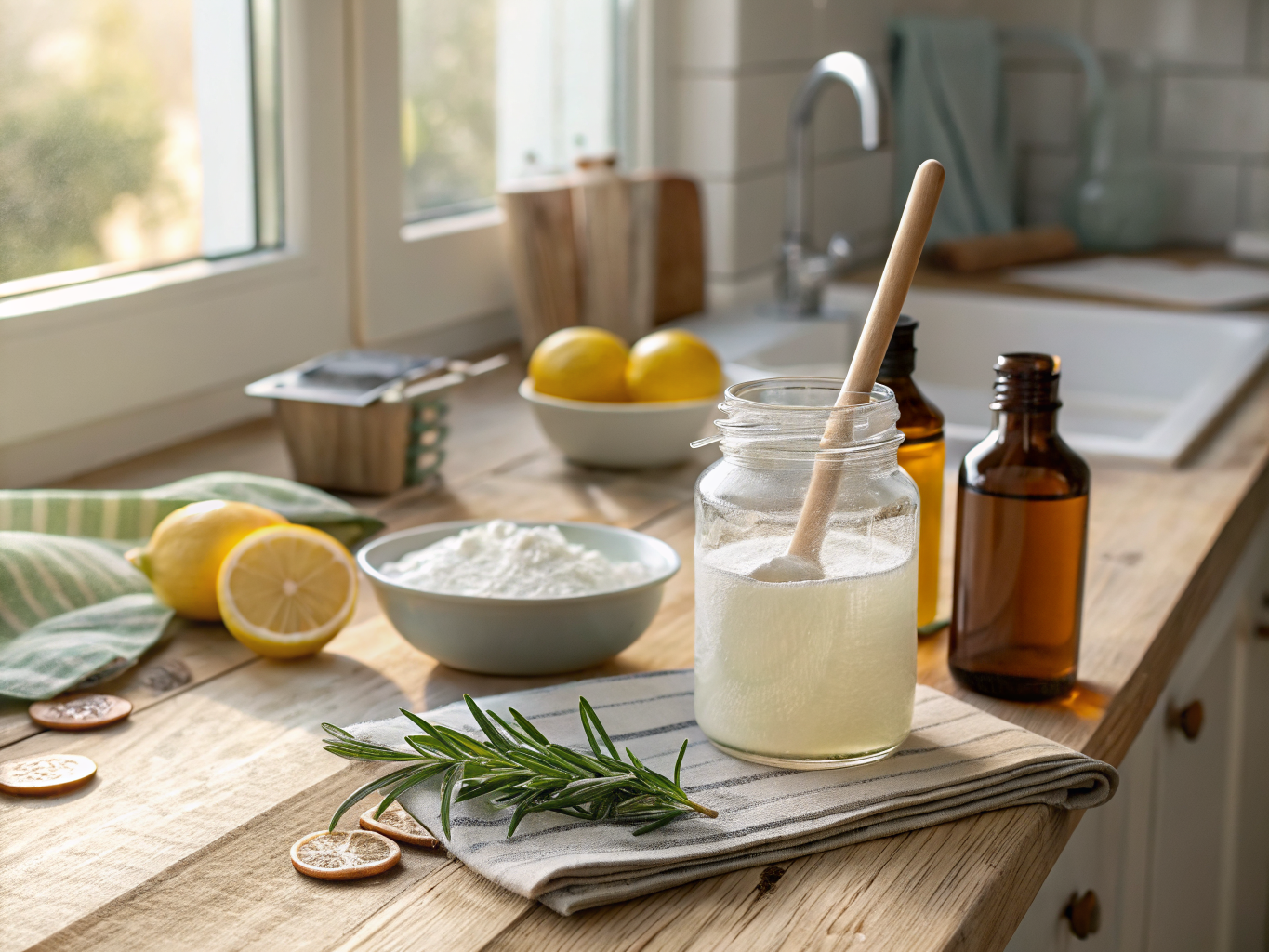
You've been spending hundreds of dollars a year on cleaning products, and here's the truth: you don't need to. Those colorful bottles under your sink? They're costing you a fortune while DIY recipes made from pantry staples can outclean the brands for literal pennies. We're talking about saving $300 to $500 annually just by mixing a few simple ingredients. Sound too good to be true? Stick with us, because these five powerful recipes are about to change how you think about cleaning forever.
The cleaning product industry banks on you believing their formulas are somehow magical. They're not. Most store-bought cleaners contain the same basic ingredients you already have at home, plus water, fragrance, and a massive markup. Let's break free from that cycle.
The Essential Tools & Mindset for this Home Hacks
Before we dive into the recipes, you'll need to gather a few basics. The beautiful thing? You probably own most of these already.
- White distilled vinegar (the cleaning workhorse, not the fancy stuff)
- Baking soda (sodium bicarbonate, dirt cheap at any grocery store)
- Castile soap (one bottle lasts months, find it at Target or online)
- Essential oils (optional, but lemon and tea tree add antibacterial power and scent)
- Spray bottles (reuse old ones or buy a 3-pack for under $5)
- A glass jar or two (for mixing and storing)
- Labels and a marker (trust us, you'll want to label everything)
The mindset shift matters just as much. You're not being cheap—you're being smart. Corporate cleaning companies spend millions convincing you that different surfaces need different products. Meanwhile, our grandparents cleaned entire homes with vinegar, soap, and elbow grease.
Time vs. Financial Investment
Let's get real about the numbers because that's what matters.
Making a batch of all five cleaning products takes about 15 minutes total. Seriously. Fifteen minutes once a month, maybe less depending on how much you clean. Compare that to the time you spend browsing the cleaning aisle, reading labels, and hauling heavy bottles to your car.
Now the money part. The average American household spends between $30 and $50 monthly on cleaning supplies. That's $360 to $600 yearly. Our DIY approach? You'll spend roughly $40 to $60 for your initial supplies (vinegar, baking soda, castile soap, and bottles). After that, refills cost about $5 to $8 per month.
Do the math. You're saving approximately $300 to $500 every single year. That's a nice weekend getaway. A chunk of your emergency fund. Several car payments. Money that was literally going down the drain.
The return on investment hits you immediately. Your first batch of homemade cleaners costs less than two bottles of name-brand all-purpose cleaner, but you're making five different products that'll last weeks.
Step-by-Step Action Plan
Ready to make the switch? We'll walk through each recipe like we're standing right there in your kitchen.
Recipe 1: All-Purpose Cleaner
This is your new best friend. Use it on counters, appliances, tables, and pretty much everything that isn't wood or glass.
Grab a spray bottle and pour in equal parts water and white vinegar. That's it for the base. If you want it to smell less like salad dressing, add 10 to 15 drops of essential oil. Lemon oil is fantastic because it cuts grease and smells clean. Shake it up and you're done.
Cost per batch: About 50 cents. A comparable store-bought cleaner? $4 to $6.
Recipe 2: Glass and Mirror Cleaner
Stop buying Windex. You're paying for blue dye and a brand name.
Mix two cups of water, half a cup of white vinegar, and a quarter cup of rubbing alcohol (70% isopropyl works great). Pour it into a spray bottle. The alcohol helps it evaporate quickly so you don't get streaks. Pro move: use newspaper or microfiber cloths instead of paper towels for a streak-free shine.
Cost per batch: Under 40 cents. Store brand glass cleaner costs $3 to $5.
Recipe 3: Scouring Powder
This replaces Comet, Ajax, and all those abrasive cleaners you use on sinks, tubs, and tile.
Take one cup of baking soda and add a quarter cup of salt (any kind works, but kosher salt has slightly better scrubbing power). Mix them together in a jar with a shaker top or a parmesan cheese container. When you need to clean, sprinkle it on the surface, add a little water to make a paste, scrub, and rinse.
Want extra power? Add 10 drops of tea tree oil to the mixture. It's naturally antibacterial and antifungal.
Cost per batch: About 25 cents. Brand-name scouring powder runs $3 to $4.
Recipe 4: Toilet Bowl Cleaner
Yes, you can make this too. And it works better than the stuff that comes in those weird squirt bottles.
Pour one cup of baking soda into your toilet bowl. Follow it with one cup of white vinegar. You'll get that satisfying fizz—that's the chemical reaction breaking down grime and killing bacteria. Let it sit for 15 minutes, then scrub with your toilet brush and flush.
For tough stains, make a paste with baking soda and just enough water to hold it together. Apply it directly to the stain, let it sit for an hour, then scrub.
Cost per use: Literally pennies. Toilet bowl cleaners cost $3 to $5 per bottle.
Recipe 5: Wood Polish and Furniture Cleaner
This one feels fancy but couldn't be simpler.
Mix a quarter cup of white vinegar with a quarter cup of olive oil. Yes, olive oil. Add 10 drops of lemon essential oil if you have it. Put this in a small jar or bottle and shake well before each use. Apply a small amount to a soft cloth and wipe down your wood furniture. It cleans, shines, and conditions the wood.
Heads up: a little goes a long way. Don't oversaturate or you'll have greasy furniture.
Cost per batch: About 75 cents. Wood cleaners and polishes cost $5 to $8.
The Real Financial Impact
Let's zoom out and look at what this really means for your wallet over time.
Year one savings: approximately $300 to $450 after your initial supply purchase. Not bad for 15 minutes of effort monthly.
But here's where it gets interesting. What if you took that $350 average savings and invested it? Put it in a basic index fund earning a conservative 7% annual return. After 10 years, you'd have over $4,800. After 20 years? More than $14,000. From cleaning products.
Even if you don't invest it, that's $350 every year that stays in your pocket. Over a decade, that's $3,500. You could replace a roof. Buy a used car. Fund a significant chunk of a kid's college semester.
The impact multiplies if you're a family. Larger households use more cleaning products, so the savings scale up. A family of four might easily save $500 to $600 annually.
Plus, you're reducing plastic waste. Those bottles you're not buying? They're not ending up in landfills. You're literally saving money and the planet simultaneously.
Alternative Budget-Friendly Approaches
Not everyone's situation is identical, so let's talk modifications.
Apartment dwellers: You might have limited storage space. Make smaller batches and focus on the two or three cleaners you use most. The all-purpose cleaner and glass cleaner cover about 80% of cleaning tasks.
People with hard water: Vinegar-based cleaners can leave spots on some surfaces if you have really hard water. Add a bit more rubbing alcohol to your mixtures, or do a final wipe with plain water.
Sensitive to smells: Skip the essential oils entirely. These recipes work perfectly without them. The vinegar smell dissipates as it dries, leaving no odor behind.
Absolute beginners: Start with just one recipe. Make the all-purpose cleaner and use it for a week. Once you see how well it works and how much you save, you'll be motivated to try the others.
Families with young kids: These DIY cleaners are generally safer than commercial products, but still keep them out of reach. Label everything clearly. If you're worried about kids getting into spray bottles, make cleaners in regular jars and pour small amounts into a spray bottle as needed.
Pro Tips for Maximum Savings
Want to take this to the next level? These insider tricks will maximize your savings and effectiveness.
Buy in bulk: Vinegar and baking soda are ridiculously cheap at warehouse stores. A gallon of vinegar costs about $3 at Costco and will last you months. Baking soda comes in huge bags for under $7. Your per-batch cost drops even further.
Reuse spray bottles forever: When you finish a batch, just rinse the bottle and refill it. Those bottles can last years. Never buy another one. Some people collect spray bottles from friends who still buy commercial cleaners—free supplies.
Make cleaning solution ice cubes: Freeze vinegar with lemon essential oil in ice cube trays. Drop one in your garbage disposal, run it, and boom—clean, fresh-smelling disposal. Or use them in your toilet for quick cleaning between deep scrubs.
Create a refill station: Dedicate one cabinet or shelf to your bulk supplies and empty bottles. When you run low, refilling takes 60 seconds. This system prevents you from ever running out and having to "just grab something quick" at the store.
Common Mistakes to Avoid
People mess this up in predictable ways. Don't be one of them.
Mixing vinegar and castile soap directly: They neutralize each other and create a weird, chunky mess. Use them in separate recipes or rinse between applications.
Using these on natural stone: Vinegar is acidic and can etch marble, granite, or limestone. For those surfaces, stick with just water and a tiny bit of castile soap.
Expecting instant results on years of buildup: DIY cleaners work amazingly well, but if you've got soap scum from 2015, you might need to apply, wait, and scrub a bit more the first time. After that, regular maintenance keeps everything sparkling.
Not labeling bottles: Vinegar and water looks identical to water and rubbing alcohol. Label everything unless you enjoy playing cleaning product Russian roulette.
Giving up after one try: Sometimes you need to adjust ratios for your water hardness or specific surfaces. If something doesn't work perfectly the first time, tweak it. Add more vinegar for tougher jobs, or dilute for lighter cleaning.
Buying expensive essential oils: You don't need $30 therapeutic-grade oils for cleaning. The $8 bottle from Target works exactly the same for adding scent and mild antibacterial properties.
Long-Term Habit Maintenance
Here's how you make this stick forever instead of reverting to expensive store-bought products in three months.
Set a calendar reminder for the last Sunday of each month: "Make cleaning products." It takes 15 minutes. Make it a routine, like paying bills or taking out the trash. Eventually, it becomes automatic.
Keep a running list on your phone of what you're running low on. When you notice the all-purpose cleaner is half empty, add "make all-purpose cleaner" to your list. Proactive refilling beats running out.
Track your savings somewhere visible. Create a simple spreadsheet or even a note on your phone. Each month, write down what you would have spent versus what you actually spent. Watching those numbers grow is incredibly motivating.
Join online communities focused on DIY and frugal living. Reddit's r/frugal, various Facebook groups, and Pinterest boards are full of people sharing tips and keeping each other accountable. When you see others succeeding, it reinforces your commitment.
If you slip and buy a commercial cleaner because you ran out and panicked, don't beat yourself up. It happens. Just get back on track with your next batch. Progress, not perfection.
Introduce one person to these recipes. Teaching someone else solidifies your own commitment. Plus, you're helping them save money too. Win-win.
The Bottom Line
You absolutely can stop buying cleaning products and save hundreds of dollars every year without sacrificing a spotless home. These five DIY recipes cost pennies to make, work as well or better than commercial cleaners, and take minimal time to prepare.
Start today. Right now. Pick one recipe—we'd suggest the all-purpose cleaner since you'll use it most—and make a batch. Use it for a week and watch how well it performs. Check your bank account at the end of the month when you haven't dropped $40 on cleaning supplies.
This isn't about deprivation or living like you're broke. It's about being intentional with your money and refusing to pay massive markups for fancy packaging and marketing. You're smarter than that.
Your challenge: make all five recipes this weekend. It'll cost you less than a single trip to the cleaning aisle and less time than scrolling social media. Your future self, looking at that growing savings account, will thank you.
FAQs
Are DIY cleaners actually as effective as commercial products like Lysol or Clorox?
Yes, for most everyday cleaning tasks. Vinegar has been proven to kill 99% of bacteria, 82% of mold species, and 80% of viruses. If you need hospital-grade disinfection—like dealing with serious illness or contamination—then commercial disinfectants have their place. But for routine cleaning of counters, bathrooms, and floors? DIY cleaners perform just as well. The cleaning industry has convinced us we need specialized products for every surface, but generations cleaned effectively before these products existed.
How long do homemade cleaning products last before they go bad?
Most of these recipes last indefinitely because vinegar and alcohol are natural preservatives. The all-purpose cleaner, glass cleaner, and scouring powder won't spoil. The wood polish might separate over time (just shake it), but the oil won't go rancid for months if you're using it regularly. If you add essential oils, use your cleaners within six months for maximum scent strength, though they'll still clean effectively after that. The toilet bowl cleaner is made fresh each time you clean, so storage isn't an issue.
Can I use apple cider vinegar instead of white vinegar?
You can, but we don't recommend it for two reasons. First, it's more expensive, and you're literally wiping it away—save the pricey stuff for salads. Second, apple cider vinegar can leave a brownish tint on light-colored surfaces or grout. White distilled vinegar is clear, cheaper, and works exactly the same for cleaning purposes. The only exception might be if someone gives you a huge amount of apple cider vinegar for free—then sure, use it up.
What if I really hate the smell of vinegar?
The smell dissipates completely as it dries, usually within 10 to 15 minutes, leaving no odor behind. But if it bothers you while cleaning, add more essential oils to mask it—lemon, lavender, or peppermint work great. You can also open windows for ventilation. Another option is using more rubbing alcohol in your mixture, which evaporates faster and has less scent. Finally, remember that commercial cleaners often contain harsh chemical fragrances that irritate respiratory systems. A temporary, natural vinegar smell is arguably better than synthetic perfumes that linger for hours.


