
DIY Pest Control: Safe & Cheap Home Hacks
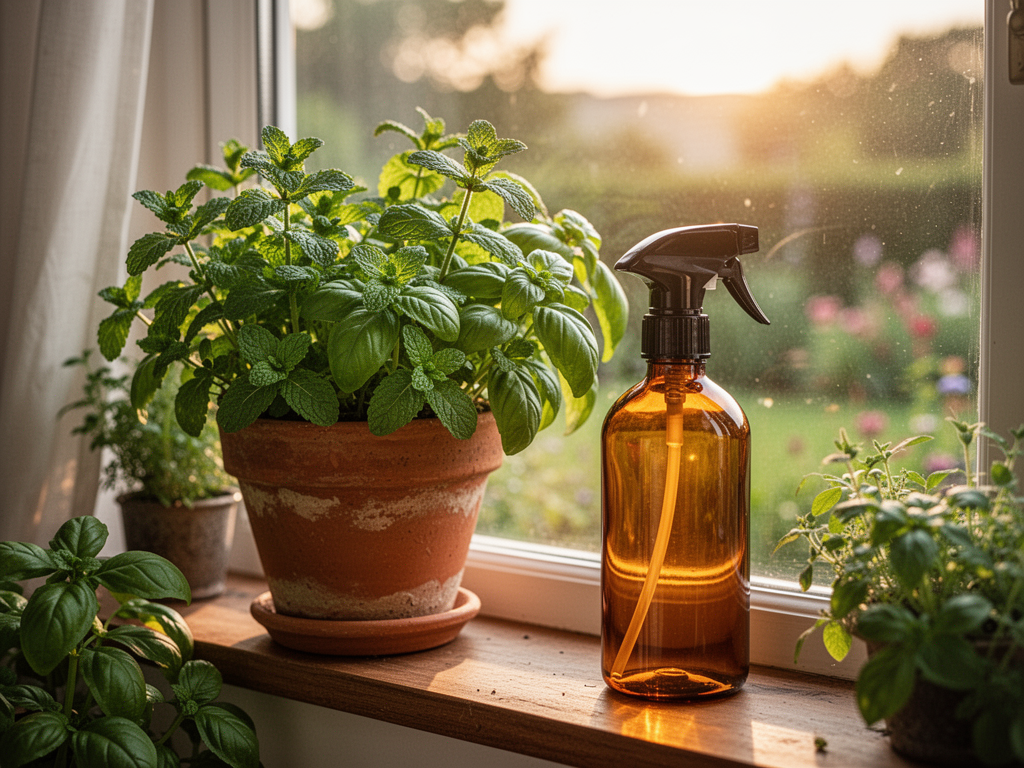
Tired of spending a small fortune on pest control services? You're not alone. The average American household shells out $250-$400 annually on professional pest control - money that could stay in your pocket! The good news? You can tackle most common household pests effectively using items you already have at home. DIY pest control methods have been used successfully for generations, long before commercial pesticides hit the market.
The Essential Tools & Mindset for this Strategy
Before we dive into specific solutions, let's gather your pest-fighting arsenal:
- White vinegar (cleaning grade)
- Baking soda
- Essential oils (peppermint, citrus, lavender)
- Diatomaceous earth food-grade quality recommended
- Spray bottles
- Sealed storage containers
- Caulk and steel wool
- Basic tools (screwdriver, flashlight)
Time vs. Financial Investment
Let's break down the numbers: A typical pest control service costs $40-80 per visit, with quarterly treatments adding up to $160-320 annually. Our DIY solutions? Most ingredients cost under $30 total and last 3-6 months. You'll spend about 2-3 hours initially identifying entry points and setting up barriers, then just 30 minutes weekly for maintenance. Annual savings? Around $290!
Step-by-Step Action Plan
1. Seal Entry Points
Check your home's perimeter for cracks and holes. Use caulk for small gaps and steel wool for larger ones (mice can't chew through it!).
2. Create Natural Repellents
Mix vinegar and water (1:1 ratio) with 10-15 drops of peppermint oil. Spray around entry points and problem areas.
3. Set Up Natural Barriers
Sprinkle diatomaceous earth along baseboards and window sills. It's harmless to humans but deadly to crawling insects.
The Real Financial Impact
Beyond the immediate savings on pest control services, you'll save money on: - Reduced food waste (fewer pests = better food preservation) - Prevention of structural damage - Lower risk of pest-related health issues - No need for expensive emergency pest control visits
Alternative Budget-Friendly Approaches
- Apartment dwellers: Focus on entry points and natural repellents - Large homes: Rotate treatments by zones - Garden concerns: Plant natural pest-deterrent herbs like mint and lavender - Pet owners: Use pet-safe alternatives like cedar oil
Pro Tips for Maximum Savings
- Buy ingredients in bulk during sales
- Make double batches of solutions and store properly
- Join local gardening groups to swap natural pest control tips
- Keep detailed records of what works for future reference
Common Mistakes to Avoid
- Mixing incompatible natural ingredients
- Neglecting preventive maintenance
- Using too much product (more isn't better!)
- Forgetting to address moisture issues
Long-Term Habit Maintenance
Create a simple monthly checklist: inspect entry points, refresh natural repellents, and check pest-prone areas. Set calendar reminders for quarterly deep checks. Make it part of your regular cleaning routine.
The Bottom Line
DIY pest control isn't just about saving money - it's about taking control of your home's environment safely and effectively. Start with one area or pest problem, perfect your approach, then expand. Your wallet (and the environment) will thank you!
FAQs
Q: How long do natural pest solutions last?
A: Most natural solutions need refreshing every 2-4 weeks, depending on the ingredient and location.
Q: What if I have a severe infestation?
A: Start with DIY methods, but don't hesitate to call professionals for serious infestations, especially with termites or bed bugs.
Q: Are natural solutions safe for kids and pets?
A: Most are safe, but always research specific ingredients. Essential oils should be used carefully around cats, who are sensitive to them.


